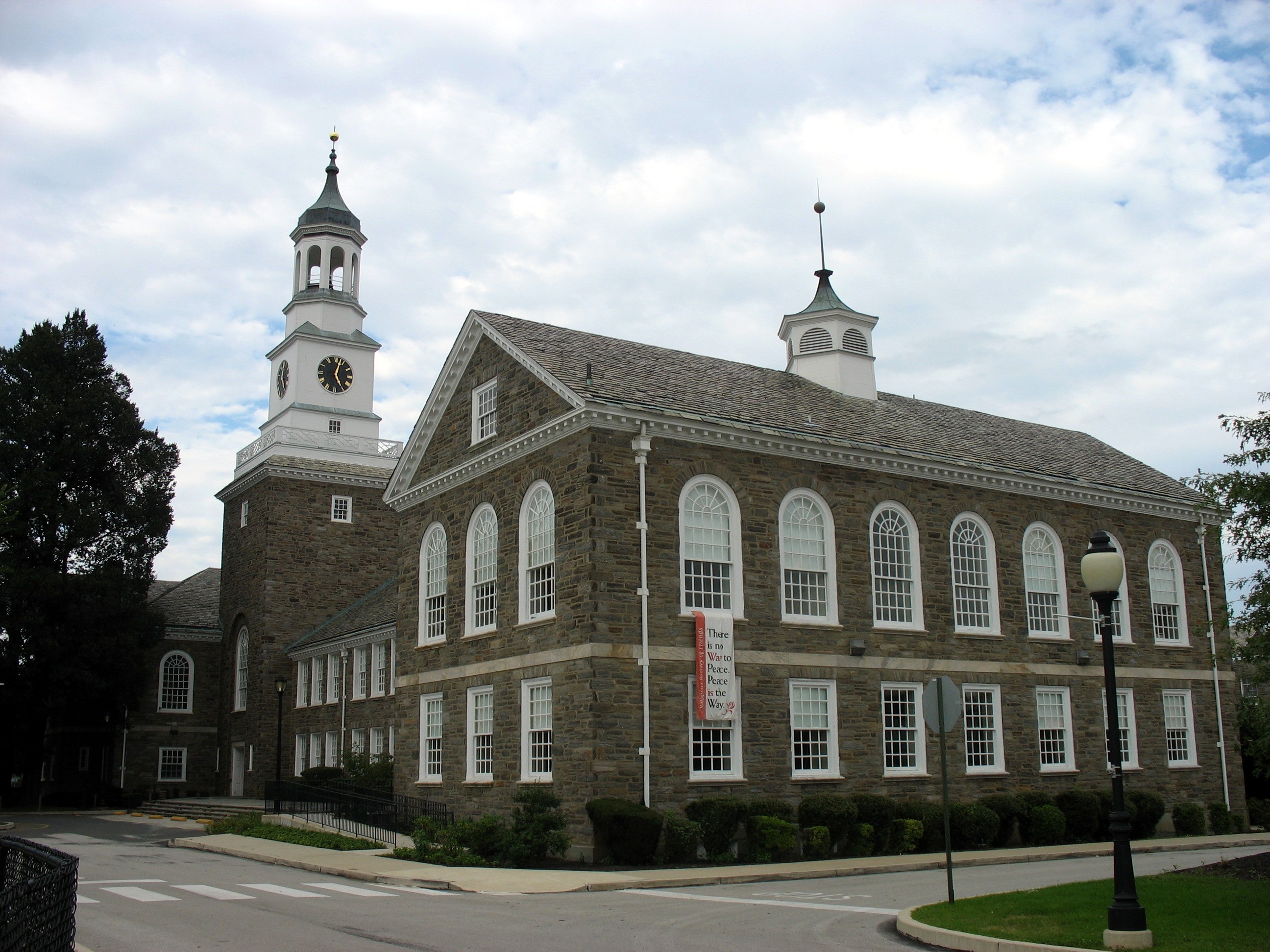


Secondary Education — William Penn Charter School

Living the Questions

Approaches to a Life Worth Living

Instructor and Course Designer: 
Michael LoStracco

A full-semester elective for grades 11–12—featuring a syllabus, facilitation guide, classroom activities, contemplative practice scripts, grading rubrics, and more. Developed by Michael LoStracco, Chair of Religious Studies and Philosophy at William Penn Charter School.
course description

To Live Everything ...

“Do not now seek the answers, which cannot be given you because you would not be able to live them. And the point is, to live everything. Live the questions now. Perhaps you will then gradually, without noticing it, live along some distant day into the answer.” ― Rainer Maria Rilke

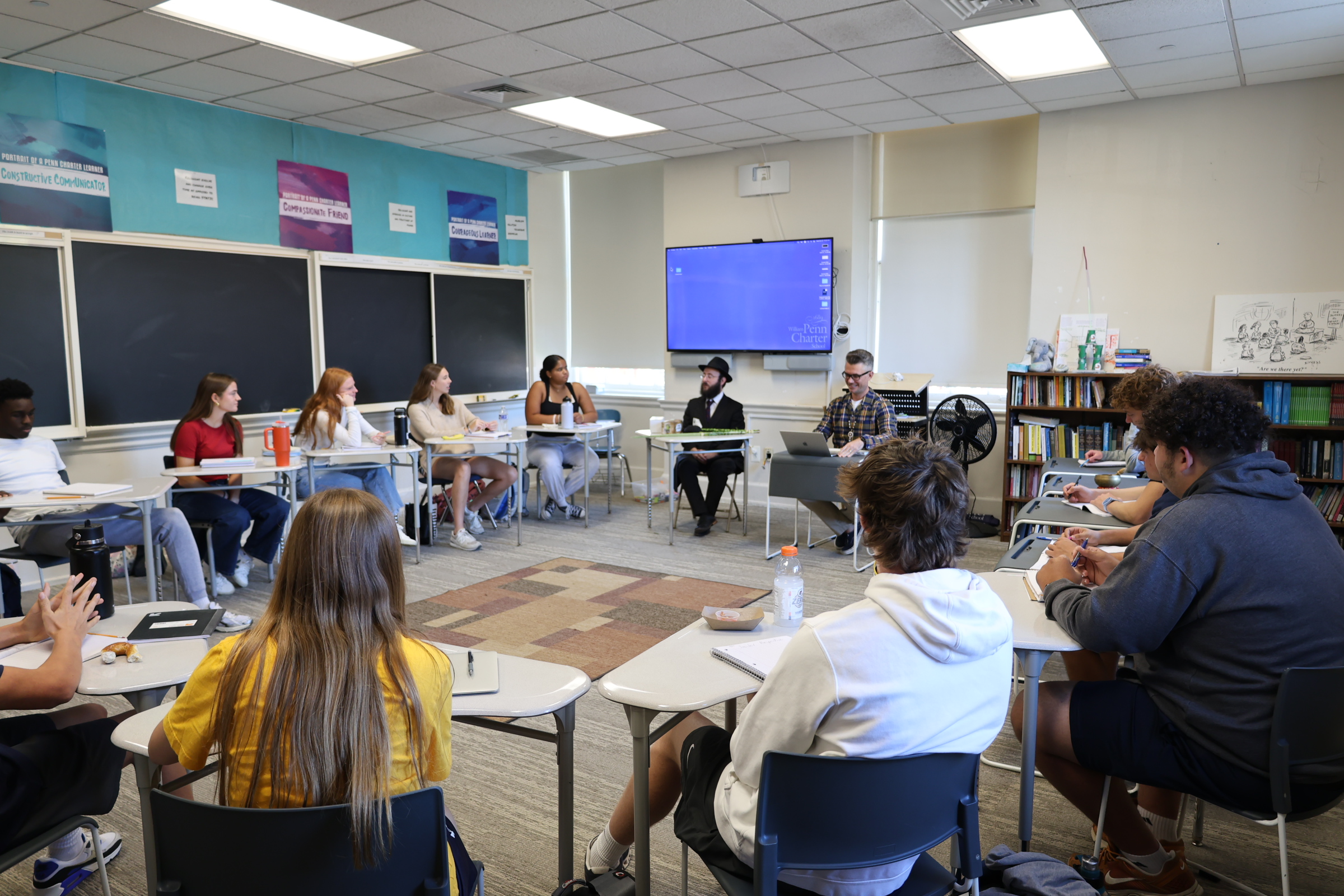
In this semester elective course open to 11th and 12th graders, students will develop contemplative habits of mind and critical metacognitive skills in pursuit of perennial questions about what makes a life worth living, questions such as What matters most? What is a good life? What kind of life is worthy of our humanity? Using as our text Life Worth Living: A Guide to What Matters Most, based on the acclaimed Yale course, we will delve into such questions and explore many responses from the world’s philosophical and religious traditions. Through the intentional practice of introspection, reflection, and deep listening– as well as conceptual analysis, argument, and vigorous discussion– we will begin to articulate for ourselves meaningful answers that will inform our sense of identity, purpose, and belonging. Students can expect regular reading and journaling assignments, student-led discussions, contemplative and creative exercises, and a final oral presentation.

syllabus and facilitator guide

Getting Started

These two documents anchor the implementation of this course.
All PDF files are available for download and open in a new tab. The course is built around a required text: Life Worth Living: A Guide to What Matters Most (Open Field, 2023), and students also need a paper journal or sketchbook.
Syllabus

The full course syllabus: description, materials, assessment weighting, classroom policies, and a week-by-week map of all five units. Each reading comes with journal prompts, a "Your Turn" assignment, and suggested in-class activities and media.
Facilitator Guide

A hands-on guide to teaching the course: The pedagogical approach, establishing classroom norms, setting up the room, relational journaling, running Socratic Seminars, differentiation, and a candid section on likely challenges. Appendices include contemplative practice resources and a unit-by-unit list of poems and short readings for centering.

activities and assignments

From Ideas to Action

These 10 assignments and activities will support your students' journey of living the questions and pursuing a life worth living.

Team Tower Challenge

Ten minutes planning with a sealed bag of materials, eight minutes to build. A first look at how students plan, adapt, and take up roles—with reflection prompts you can return to all semester.

Flourishing Brand Shark Tank

Teams reimagine Aristotle, the Buddha, and the Apostle Paul as competing brands and pitch their vision of the good life—surfacing what each tradition actually sells, and what students buy.

Drawing Your Moral Circle

A contemplative mapping exercise on Bronfenbrenner's ecological systems: five nested circles from daily relationships outward. Students end by asking how wide their moral concern reaches, and whether it should widen.

Peer Interviews

Paired interviews on What should we hope for? One asks and transcribes, then they switch. Built for extemporaneous response and active listening, not polish.

The Integrity Tower

Giant Jenga with color-coded Stoic, Utilitarian, and Confucian questions. As the tower wobbles, students feel what happens when a life vision loses coherence—and what integrity costs.

Order, Ordering, Things Ordered

Groups get random objects and one instruction: put these in order. The gallery walk surfaces the assumptions each group brought, opening a conversation about cosmos, nomos, and worldview.

From A Brief History of Time

A short Hawking excerpt on the big bang and what makes a scientific theory good—anchor text for the Unit 3 conversation on cosmology, alongside Genesis and Lenape creation narratives.

Anchors and Compasses in the Midst of Anguish

A journal prompt on the chapter's pavement moment: students visualize and draw both an anchor and a compass—who or what keeps them grounded, and who or what keeps them oriented.

The Way and Human Flourishing in Confucian Thought

Silent board discussion, small-group analysis of primary excerpts, then a class debate on Mencius versus Confucius: Is human nature good, or must virtue be cultivated?

Socratic Seminar Format and Roles

The seminar's shape and the five facilitator roles—Host, Presenter, Question Generator, Perspective Taker, Meaning Maker—so students can prepare for the discussion they'll lead.

Assessment and Rubrics

Setting Expectations

Each of these 4 rubrics is written to be handed directly to your students, and can be adapted for how you actually grade.

Journal Assignment Checklist

A one-page self-check students use before turning journals in. Covers length, effort, purpose, and submission—designed to make the daily practice self-sustaining rather than teacher-policed.

"Your Turn" Paper Rubric

A 20-point rubric across content, authenticity, organization, and mechanics, plus a 10-point student self-check. Includes the course's AI-use policy—these papers are for students' own thinking, not a chatbot's.

Socratic Seminar Rubrics

Separate 50-point rubrics for facilitators and participants, both built for self-assessment. Students score themselves alongside the teacher, developing the metacognitive awareness the seminar model depends on.

Final Presentation Rubric

A 30-point holistic rubric across content, delivery, and personal integration. Grades a ten-minute articulation of each student's own vision of a life worth living—not a right answer.

Guided practices and meditations

Contemplative Practices

Create an environment for students to dwell in the lived experience of various contemplative traditions, encouraging introspection, emotional integration, and connection to real life. Each script is written to be read aloud, unrehearsed or amended as you prefer. No performance, just presence.
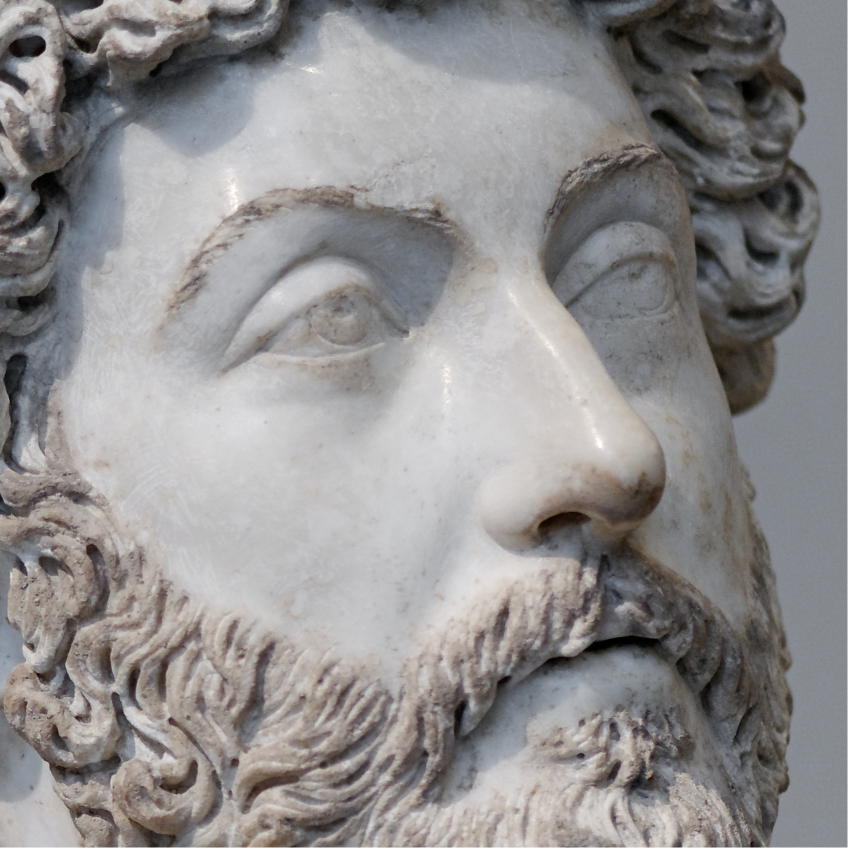
Stoic Meditation Scripts

Two ten-minute scripts to read aloud in class: The View from Above (perspective and connection) and Negative Visualization (gratitude and resilience). Paired with a conversation on Stoic virtue.
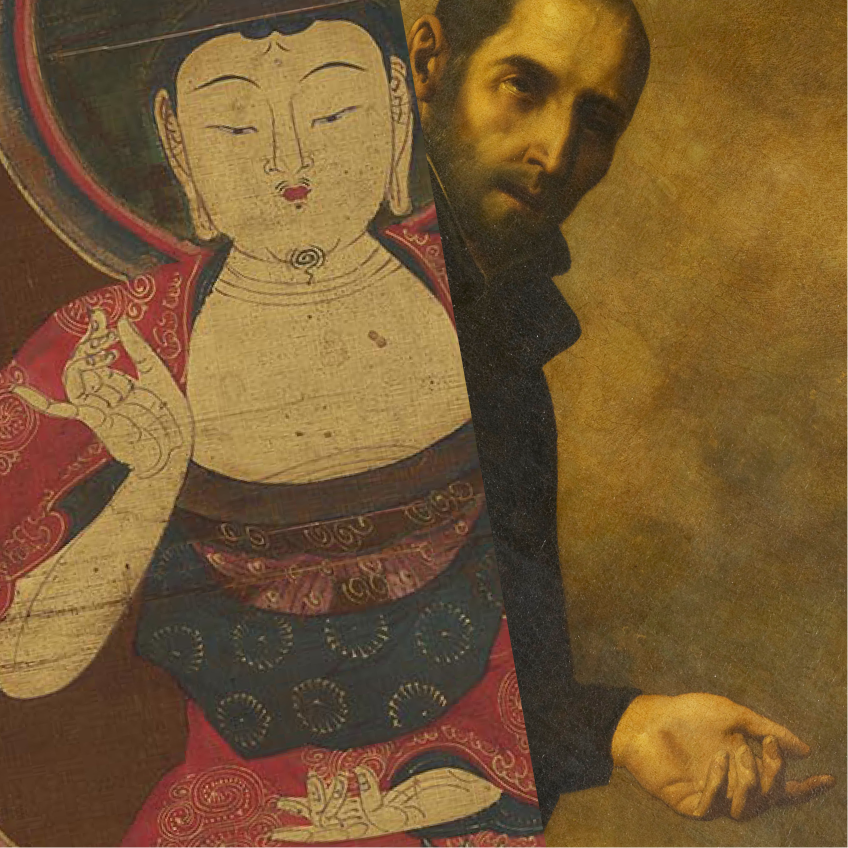
Buddhist and Ignatian Scripts

Two ten-minute scripts to read aloud: Tonglen, breathing in suffering and breathing out relief, and an Ignatian gratitude practice. Supports students' turn from insight to sustained practice in community.

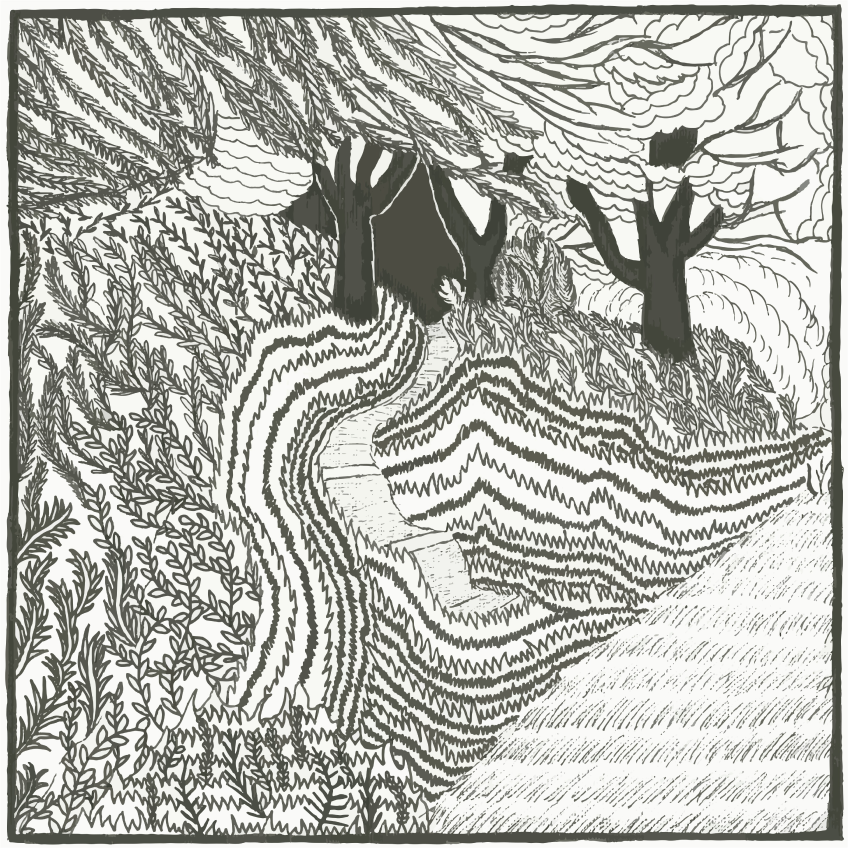
The Tree of Contemplative Practices

A taxonomy from the Center for Contemplative Mind in Society, mapping practices from stillness and movement to relational, ritual, and activist forms.

VIDEO

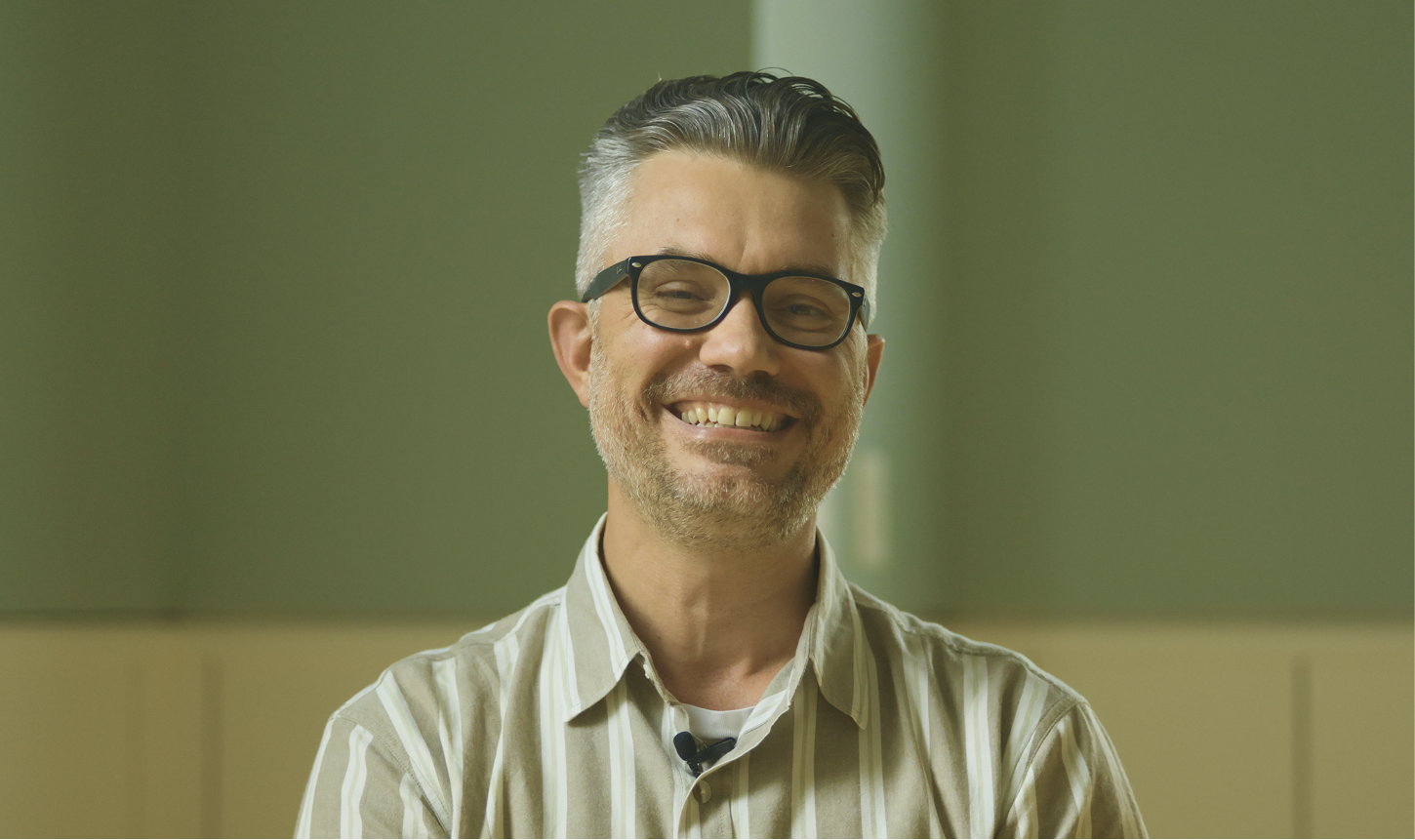
Reflections on Contemplative Education in High School

Course designer Michael LoStracco discusses his pedagogical approach to secondary education and how it emerges in his Life Worth Living course.
"It's about becoming
human, fully
 human."

Michael LoStracco describes how literature led him to religion and philosophy, what contemplative education asks of a classroom, and why Life Worth Living gives high schoolers a structured way into the perennial questions of the human condition. Schooling built on credentialing and status, he argues, has thinned both education and rigor at the expense of depth. His alternative: lead with the questions, plant seeds, and trust that inquiry is itself formative—intellectually, morally, affectively, and spiritually.

From the Course Designer

Welcome. If you are here, it might be because you feel the tug of an inward question, a curiosity about what, ultimately, an education is for.

Perhaps you have a vague sense of an answer to this question but it eludes your attempts to capture it in words. Perhaps you have the words, but your intuitions don’t amount to a coherent argument. If you are here, you might believe that your students, too, are similarly curious about the purpose of their learning, and that their curiosity is also shrouded in ambiguity, even doubt. If you are here, you might believe that your students are hungry for something more.

The question of what education is for is another way of asking what kind of education matters, which begs a more fundamental question: What in life matters?

This is not a question that we ask alone; we ask it in a chorus of voices from across time and space, cultures and traditions. We ask it along with history’s great philosophers, religious thinkers, saints, artists, activists, and ordinary folks alike. In a time characterized by increasing uncertainty and social isolation, when traditional sources of meaning and value have given way to epistemic disruption and existential disarray, it would seem as if we ask this question alone, if we ask it at all.

In such a time, we need an education that is at once intellectually and morally formative, grounded in the pursuit of existential meaning and an ethic of truth-seeking, one that speaks to the Question. If you are here, you might believe that as well.

“Living the Questions: Approaches to a Life Worth Living” is designed to encourage high school students to seriously and carefully consider, from their own lived experience, perennial questions of meaning and purpose in order to discover and clarify their own beliefs and values. Students don’t do so alone but in conversation with an ensemble of voices and perspectives, both ancient and modern. It emphasizes first-person engagement and participation in community that fosters true respect and recognition across important and enduring lines of difference.

With the book Life Worth Living: A Guide to What Matters Most as our guide, “Living the Questions…” invites students to grapple with ancient and modern texts and fi gures and practice rigorous introspection and intellectual discernment to articulate for themselves a provisional but authentic response to some of the most urgent questions of the human condition, chief among them What does it mean to live a good life?

In order to support students in the process, I’ve included in this curriculum a variety of contemplative and reflective exercises, embodied activities, engaging assignments, and varied assessments based on journaling, discussion, and oral presentation. By integrating and emphasizing the skills of meaning-making alongside traditional academic skills, students are empowered to both seek and create meaning in their lives; discern signal from noise; and become more flexible, courageous, and resilient in the face of an unpredictable world, a world that sorely needs them.

This facilitation guide aims to support you, the teacher, in implementing the course in a way that works best for you and your school context. It is an invitation to be a part of a community of educators, in both secondary and postsecondary education, who sing in the chorus of these questions. Here you will fi nd descriptions of core pedagogical attitudes and instructional approaches, tips for particular methods and activities, and suggestions for potential challenges and setbacks along the way.

If you are here, the journey has already begun. I invite you to take the next step, together.

In Partnership,

Michael LoStracco
Chair of Religious Studies and Philosophy
William Penn Charter School
Philadelphia, PA

Educate your students  for the lifelong pursuit
 of the good life.

We promote truth-seeking conversations across enduring lines of difference in secondary and higher education classrooms around the world.

"I am a student. I will be a student as long as I live.And it is a pleasure to be a student."

Ringu tulku rinpoche (2003)